
Urgent Care for Dogs Skin Infections in Miami
Dog skin infections can be a serious concern for pet owners, especially in a vibrant city like Miami where environmental factors can exacerbate these issues. Understanding the symptoms, treatment options, and when to seek urgent care is crucial for maintaining your dog’s health. Pinecrest Emergency Vet provides insights into the common symptoms of dogs skin infections, effective treatment options, and recommendations for when to contact a veterinarian. By being informed, you can ensure your furry friend receives the best care possible.

Dogs Skin Infection Symptoms to Watch for
Identifying the symptoms of dog’s skin infections is essential for prompt treatment.
Common signs of dogs skin infections include:
- Red or Irritated Skin: This can indicate inflammation or infection.
- Persistent Itching: Dogs may scratch or bite at affected areas, leading to further irritation.
- Signs of Discomfort or Pain: If your dog seems unusually sensitive to touch, it may be experiencing pain from a skin condition.
Recognizing these symptoms early can help prevent more severe health issues. If you notice any of these signs, it may be time to consider urgent care services.
At Pinecrest Emergency Vet (a subsidiary of My Pet Hospital), we are your urgent care providers for dogs with skin infections. We specialize in providing urgent veterinary care services in Pinecrest and the greater Miami area. Our team is equipped to handle various skin infections and can provide the necessary treatment to alleviate your dog’s discomfort.
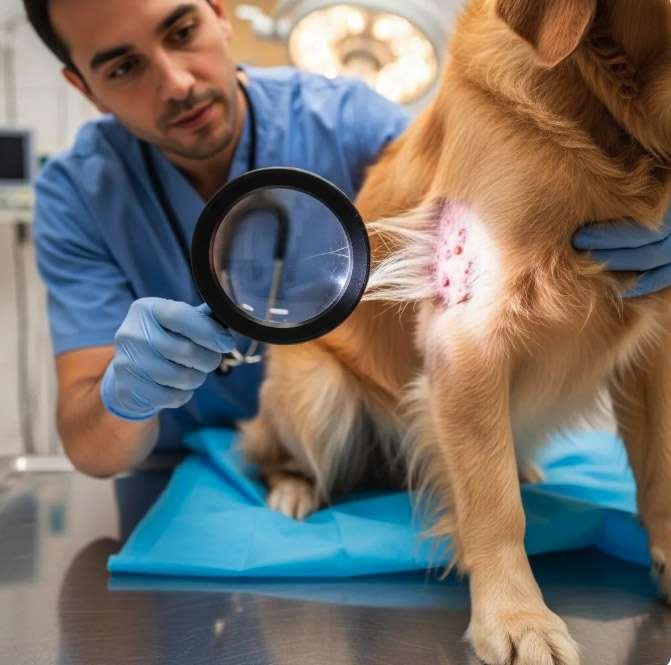
Dogs Skin Infections Symptoms to Watch for
Common treatment for dog’s skin infection methods include:
- Evaluation and Diagnosis by a Veterinarian: A thorough examination is crucial to determine the underlying cause of the infection.
- Medication for Infections or Allergies: This may include antibiotics for bacterial infections or antihistamines for allergic reactions.
Recommendations for Ongoing Care: Your veterinarian may suggest specific grooming practices or dietary changes to prevent future infections.
Canine Atopic Dermatitis: Acute & Chronic Treatment

What is Canine Atopic Dermatitis?
Treatment of Canine Atopic Dermatitis:
The treatment of severe flares of Canine Atopic Dermatitis should involve the search for, and then elimination of, the cause of the flares, bathing with mild shampoos, and controlling the intense, uncomfortable itching sensation and skin lesions with interventions that include topical and/or oral medications. For chronic canine AD, the first steps in management are the identification and avoidance of flare factors, as well as ensuring that there is adequate skin and coat hygiene and care. This might include more frequent bathing and possibly increasing essential fatty acid intake (such as fish and marine oils, plant-based oils and seeds, eggs and coconut oil). The medications currently most effective in reducing chronic itching and skin lesions are topical, oral and injectable.
| Treatment Method | Description | Typical Use |
| Evaluation | Comprehensive examination to identify the cause | Initial step for all skin issues |
| Antibiotics | Medications to combat bacterial infections | Used for confirmed bacterial infections |
| Antihistamines | Medications to relieve allergic reactions | Recommended for allergic skin conditions |
2015 updated guidelines from the International Committee on Allergic Diseases of Animals
If you suspect your dog has a skin infection, don’t hesitate to reach out to Pinecrest Emergency Vet Hospital at (786) 981-4084 for urgent care vet services.
Emergency Vet Support
Knowing when to seek an emergency vet for your dog’s skin issues can be lifesaving.
Key indicators include:
- Contact Information for Urgent Care: Always have the contact details of your veterinarian handy.
- Signs of Severe Symptoms: If your dog exhibits severe itching, swelling, or bleeding, immediate attention is necessary.
- Importance of Immediate Attention: Delaying treatment can lead to complications, including secondary infections.
For urgent care, you can contact Pinecrest Emergency Vet at 786-981-4084, located at 8279 SW 124th Street, Miami, FL.
When Should You Seek Urgent Veterinary Care for Skin Issues?
Consider contacting an urgent care veterinarian if your dog exhibits:
- Persistent Itching or Chronic Skin Issues: Ongoing discomfort may indicate a more serious condition.
- Signs of Severe Allergic Reactions: Swelling, difficulty breathing, or hives require immediate attention.
Symptoms Indicating Infection: Pus, foul odor, or significant redness can signal a serious infection.
Understanding Allergies, Bacterial, and Fungal Infections in Dogs
Dog skin infections can arise from various causes, including allergies, bacterial infections, and fungal infections.
Understanding these can help in prevention and treatment:
- Causes of Allergies: Environmental factors, food sensitivities, and flea bites can trigger allergic reactions.
- Symptoms of Bacterial Infections: Redness, swelling, and pus are common indicators.
Fungal Infections and Their Impact: Conditions like ringworm can cause significant discomfort and require specific treatments.
What Are Hot Spots and How Do They Affect Your Dog's Health?
Hot spots, or acute moist dermatitis, are localized areas of skin inflammation and infection.
Hot Spots can be caused by:
- Causes of Hot Spots: Allergies, insect bites, or excessive licking can lead to hot spots.
- Symptoms and Health Impact: These areas are often red, inflamed, and painful, requiring prompt treatment.
Importance of Treatment: Addressing the underlying cause is crucial to prevent recurrence.
How Do Emergency Vets Diagnose and Treat Skin Allergies and Infections?
Hot spots, or acute moist dermatitis, are localized areas of skin inflammation and infection.
Hot Spots can be caused by:
- Causes of Hot Spots: Allergies, insect bites, or excessive licking can lead to hot spots.
- Symptoms and Health Impact: These areas are often red, inflamed, and painful, requiring prompt treatment.
Importance of Treatment: Addressing the underlying cause is crucial to prevent recurrence.
Diagnosing Dog Dermatological Emergencies
The process of continuous observation is very important, including specific attention to previous treatment, because adverse drug reactions (ADRs) can be some of the most serious dermatological emergencies.
How are Dogs Skin Conditions Diagnosed?
- Physical Examination Process: A thorough examination helps identify the type of infection or allergy.
- Diagnostic Tests Used: Skin scrapings, cultures, or allergy tests may be performed.
Treatment Options Available: Depending on the diagnosis, treatments may include medications, topical therapies, or lifestyle changes.
How Can You Prevent and Manage Dog Skin Infections at Home?
Preventing and managing dog skin infections at home involves several proactive measures:
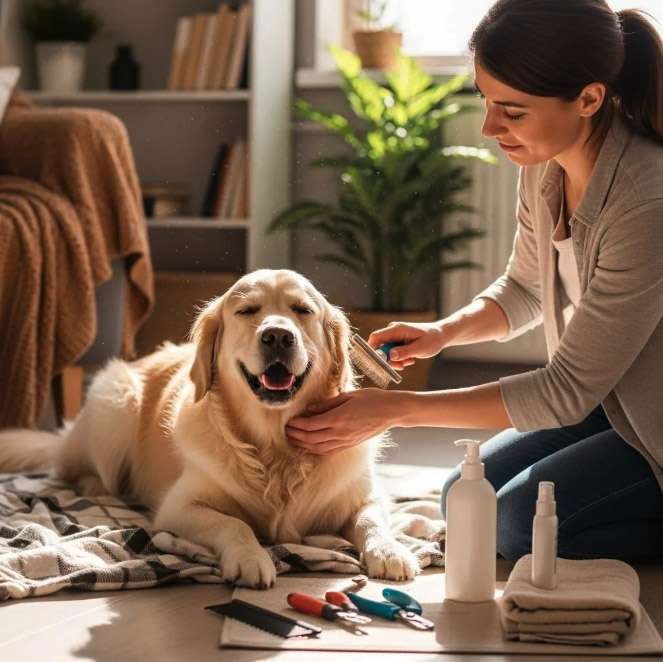
- Regular Grooming: Keeping your dog’s coat clean and free of mats can help prevent skin issues.
- Monitoring for Symptoms: Regularly check your dog for any signs of skin problems.
- Maintaining a Clean Environment: Ensure your dog’s living area is clean and free of irritants.
By following these steps, you can help reduce the risk of skin infections in your dog.
When is it Necessary to Seek Urgent Care for Dogs Skin Infections?
Knowing when to contact your vet for urgent care can make a significant difference in your dog’s health.
Consider reaching out if you notice:
- Signs of Trauma: Any injury that causes bleeding or severe pain should be evaluated.
- Difficulty Breathing: This is a critical emergency that requires immediate attention.
- Severe Pain or Unusual Behavior: If your dog is acting differently or seems in distress, it’s time to seek help.
By being observant and informed, you can ensure your dog receives the urgent vet care they need for skin infections and other health issues.
Pinecrest Emergency Vet is standing by and ready to help. Call 786-981-4084 or simply visit us during regular business hours. We are one of the best urgent care vet clinics for walk-in appointments in Miami.