Why is My Cat Vomiting?
Cat vomiting can be a distressing experience for pet owners, often raising concerns about their feline’s health. Understanding the reasons behind this common issue is crucial for effective management and treatment. Pinecrest Emergency Vet in North Miami explains the various causes of cat vomiting, the symptoms that indicate an emergency, and the treatment options available. By identifying the underlying issues, you can ensure your cat receives the appropriate care and support. We will also discuss preventive measures to help reduce the frequency of vomiting episodes in your cat.
Common Causes of Cat Vomiting:
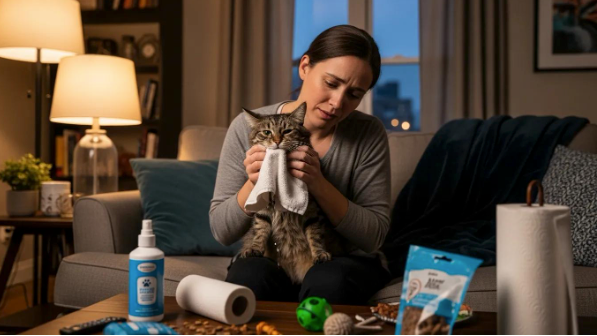
Cats may vomit for a variety of reasons, ranging from minor to serious health issues. Recognizing these causes can help you determine the best course of action.
Some common causes of cat vomiting include:
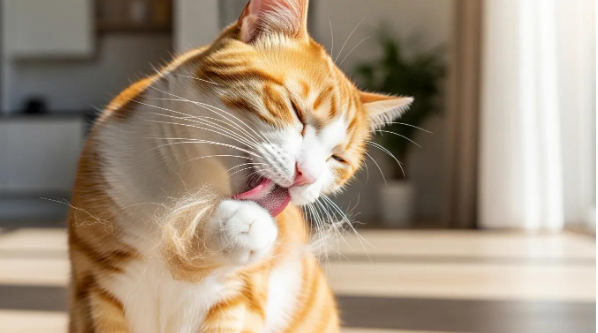
- Hairballs: Cats groom themselves frequently, leading to the ingestion of hair, which can accumulate and form hairballs.
- Dietary Changes: Sudden changes in diet or the introduction of new foods can upset a cat’s stomach.
- Toxin Ingestion: Exposure to toxic substances, such as certain plants or chemicals, can lead to vomiting.
Understanding these common causes is the first step in addressing your cat’s vomiting.

What Causes Cats to Vomit?
Some of the most common causes of cat vomiting include:
- Infections: Viral or bacterial infections can irritate the gastrointestinal tract, leading to vomiting.
- Allergies: Food allergies or sensitivities can cause gastrointestinal upset and vomiting.
- Underlying Health Conditions: Conditions such as kidney disease, hyperthyroidism, or pancreatitis can manifest as vomiting.
Why is My Cat Vomiting White Foam and Not Eating?
Vomiting white foam in cat vomit can indicate an empty stomach or the presence of gastrointestinal irritation. This type of vomiting often occurs when a cat has not eaten for an extended period, leading to the expulsion of gastric fluids. Additionally, ingestion of harmful substances can also result in this symptom. If your cat is vomiting white foam frequently, it is essential to consult a veterinarian for further evaluation. Our team at Pinecrest Emergency Vet is standing by and ready to help.
Why is My Cat Vomiting Blood?
Potential causes include:
- Infections: Severe infections can lead to inflammation and bleeding in the gastrointestinal tract.
- Poisoning: Ingesting toxic substances can cause internal damage, resulting in blood in the vomit.
- Internal Blockage: A blockage in the intestines can lead to tissue damage and bleeding.
Recognizing these serious conditions is crucial for timely intervention.
What Symptoms Indicate an Emergency in Vomiting Cats?
Identifying emergency symptoms in vomiting cats is vital for ensuring their health and safety.
Key symptoms to watch for include:
- Bloody Vomit: Presence of blood in vomit is a critical sign that requires immediate veterinary care.
- Frequent Vomiting: Repeated vomiting can lead to dehydration and other complications.
Signs of Dehydration: Symptoms such as lethargy, dry gums, and decreased skin elasticity indicate dehydration.
How to Recognize Urgent Signs Like Vomiting Blood or Persistent White Foam
If your cat exhibits any of the following signs, seek veterinary assistance immediately:
- Persistent vomiting, especially if accompanied by blood or white foam.
- Lethargy or unresponsiveness.
- Changes in appetite or drinking habits.
Being vigilant about these signs can help you act quickly in an emergency.
When Should You Seek Immediate Veterinary Care for Your Cat?
Immediate veterinary care is necessary if your cat shows any of the following symptoms:
- Bloody vomit: This is a serious condition that requires prompt attention.
- Frequent vomiting: More than two episodes in a short period can indicate a severe issue.
- Accompanied symptoms: If vomiting is accompanied by diarrhea, lethargy, or other concerning signs, seek help.
Recognizing when to seek veterinary care can make a significant difference in your cat’s health outcomes.
What Treatment Options Are Available for Cats That Vomit?
Common cat vomiting treatment options include:
- Immediate Triage: Assessing the severity of the condition and stabilizing the cat.
- Diagnostic Procedures: Conducting tests to determine the cause of vomiting, such as blood tests or imaging.
Treatment Protocols: Administering medications, fluids, or dietary changes based on the diagnosis.
How Does Emergency Veterinary Care at Pinecrest Emergency Vet Address Vomiting Cats?
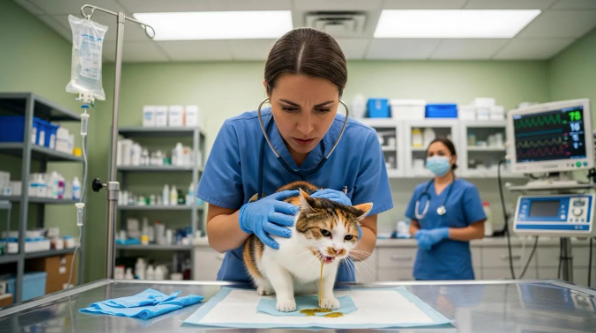
At Pinecrest Emergency Vet, we specialize in emergency veterinary care for vomiting cats.
Our urgent vet services in Miami include:
- Fluid Therapy: To combat dehydration and restore electrolyte balance.
- Medications: To control vomiting and address underlying issues.
- Further Evaluation: Comprehensive diagnostics to identify the root cause of vomiting.
Our team is dedicated to providing the best care for your pet during emergencies.
What Home Care Measures Can Support a Vomiting Cat Safely?
- Hydration: Ensure your cat has access to fresh water to prevent dehydration.
- Dietary Management: Gradually reintroduce food, starting with bland options like boiled chicken or rice.
- Stress Reduction: Create a calm environment to help reduce anxiety that may contribute to vomiting.
Implementing these measures can aid in your cat’s recovery and overall well-being.
How Can Cat Vomiting Be Prevented and Monitored?
Key strategies include:
- Monitor Diet: Keep track of your cat’s food intake and avoid sudden changes.
- Regular Feeding Schedule: Establish a consistent feeding routine to prevent an empty stomach.
Health Monitoring: Regular veterinary check-ups can help identify potential health issues early.
What Are Effective Prevention Tips to Reduce Vomiting Episodes?
- Quality Food: Provide high-quality, easily digestible food to minimize gastrointestinal upset.
- Hydration: Ensure your cat stays well-hydrated, especially during hot weather.
- Regular Grooming: Regular brushing can help reduce hairballs and prevent vomiting.
By implementing these prevention strategies, you can help keep your cat healthy and reduce the likelihood of vomiting.
Urgent Vet Care for Cat Vomiting in Miami
Pinecrest Emergency Vet is a subsidiary of My Pet Hospital and is standing by and ready to assist with helping your cat with treatment for vomiting. We offer convenient business hours and offer walk-in vet clinic services, as well as scheduled appointments. Regardless of the causes of cat vomiting, our team of veterinarians and staff members are caring and skilled at providing the some of the best vet care available in South Florida. Call us today at 781-981-4084 with any questions or to schedule an appointment online. You may also contact us online with non-emergency questions or concerns.