
Symptoms of Dogs Poisoned by Cane Toads
What is a Cane Toad?
The cane toad (aka: Rhinella marina) is an invasive species to South Florida and is a true threat to our pets. These warty reptiles were brought to this region in the 1930s by researchers from the University of Florida for the sugar cane companies. The goal was to combat beetles eating their crops. However, the attempt only added another problem.
Other factors also brought in the ugly toads, including an accident that took place at Miami Airport in 1955 where a large shipment of these toads was accidentally opened leading to the creature’s escape. Canals and drainage ditches made it easy for the toads to find a good life throughout the region and no predators willing to eat or destroy them due to their highly toxic poison. Sadly, dogs and cats often fail to avoid toads, causing many pet owners to urgently help their pets.
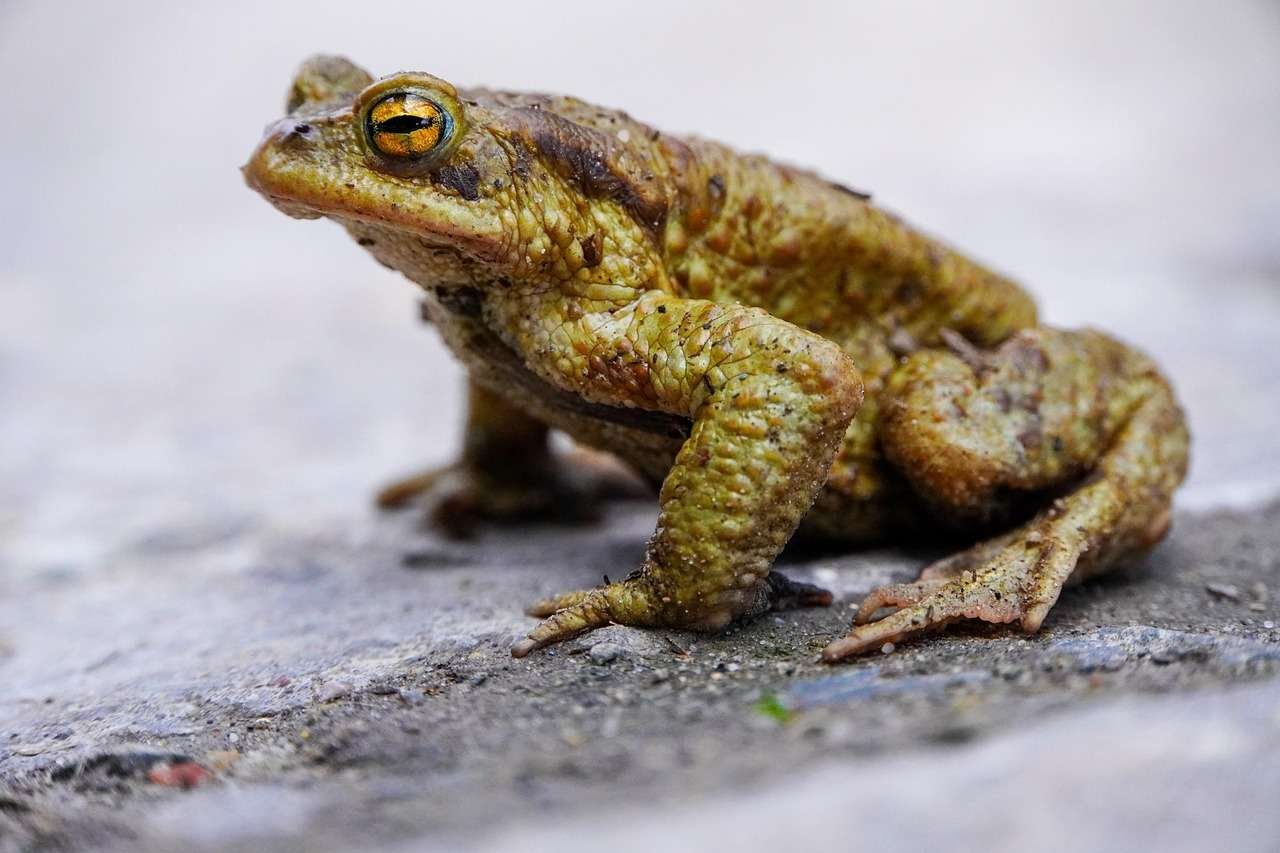
Why Pets Are Vulnerable to Cane Toads
Many dogs and cats do not instinctively avoid cane toads, making them especially vulnerable to poisoning. As a result, pet owners often find themselves in distress, urgently trying to help their beloved animals who may have come into contact with these dangerous toads.


What are the symptoms of cane toad poisoning in dogs?
Symptoms of cane toad poisoning in dogs can vary but often include excessive drooling, vomiting, seizures, and difficulty breathing. Other signs may include disorientation, tremors, and an increased heart rate. If you suspect your dog has been poisoned, it is crucial to seek veterinary assistance immediately, as prompt treatment can significantly improve the chances of recovery.
How can I prevent my dog from encountering cane toads?
What should I do if my dog has been poisoned by a cane toad?
If you suspect your dog has been poisoned by a cane toad, take immediate action by rinsing your dog’s mouth with water to remove any toxins. Do not induce vomiting unless instructed by a veterinarian. Contact your emergency vet or animal poison control hotline for guidance and transport your dog to the vet as quickly as possible for treatment.
Are all dogs equally at risk of cane toad poisoning?
While all dogs can be at risk of cane toad poisoning, certain breeds may be more susceptible due to their curiosity or tendency to explore. Dogs that are more prone to ingesting foreign objects or those that have a history of eating toxic substances may face a higher risk. Regardless of breed, it is essential to monitor your dog closely in areas where cane toads are present.
What treatments are available for cane toad poisoning?
Can cane toad poisoning be fatal for dogs?
Is there a specific time of year when cane toads are more active?
Emergency Vet in Miami for Dogs Poisoned by Cane Toads
Dogs poisoned by cane toads need urgent vet care in Miami. Our team at Pinecrest Emergency Vet, a division of My Pet Hospital, is skilled and experienced at helping with treatment for cane toad poisoning in dogs and cats. When your dog or cat is need of emergency veterinary care in Miami, call our Emergency Hotline at 786-981-4084 or simply walk-in to our clinic.