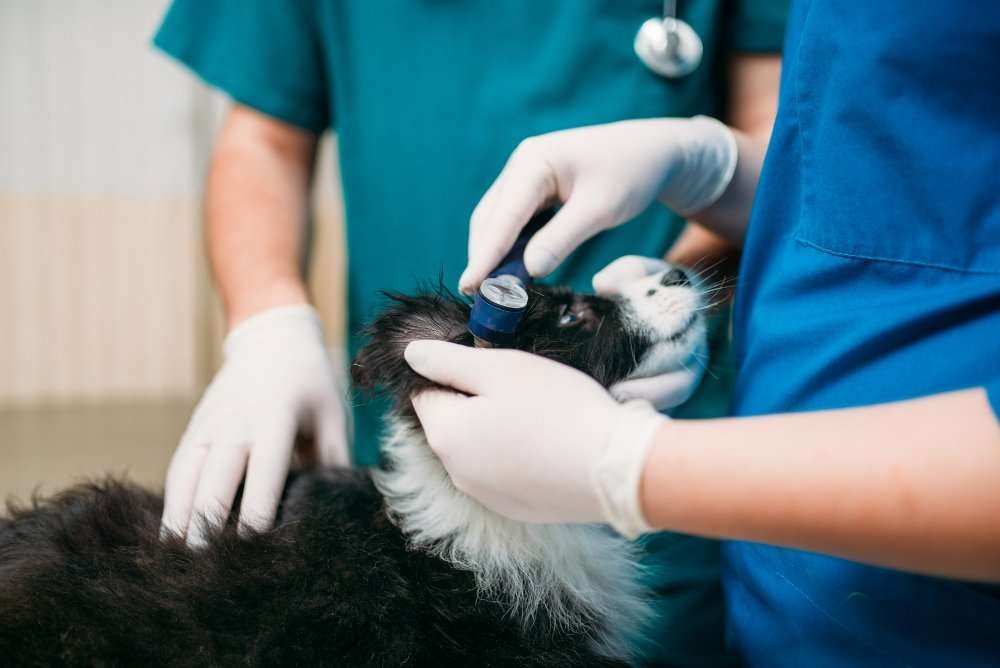
What Symptoms are Considered Pet Emergencies?
Pet emergencies can occur at any time, leaving you overwhelmed and deeply concerned about your dog or cat. Becoming familiar with various signs and symptoms of a veterinary emergency is vital in preventing a minor issue from becoming life-threatening.
At My Pet Hospital Pinecrest Emergency Vet clinic, we are here to attend to your pets’ needs with compassionate, expert care. Our emergency veterinary team is well equipped with advanced technology and extensive experience to ensure that they provide unmatched vet care services when your pet needs it most. Knowing what symptoms are considered pet emergencies is vital for protecting your cats and dogs. Below are some of the critical signs that indicate an urgent health issue:

Signs that Your Pet Requires Emergency Care
Some of the symptoms in your pet that indicate a veterinary include:
- Allergic reactions
- Bloated or hard abdomen
- Blue, pale, or gray gums or tongue
- Choking
- Difficult labor
- Difficulty breathing
- Electrocution or burns
- Head trauma or eye injuries
- Heatstroke
- Hit by a car
- Persistent coughing
- Prolapsed organs or abnormal vaginal discharge
- Rapid or irregular heartbeat
- Seizures or tremors
- Severe limping or inability to walk
- Skin irritation, intensive scratching or Hot Sports
- Straining to urinate or defecate
- Sudden disorientation or extreme lethargy
- Uncontrollable breathing
- Unresponsive or extreme agitation
- Vomiting or diarrhea
What to Do During a Pet Emergency
If your cat or dog is showing any symptoms of a medical emergency, consider the following actions to get them urgent care:

Contact your closest emergency vet in Pinecrest
Call your local emergency veterinarian and describe the situation. They may advise you on next steps to take before arriving.
Remain calm and keep your pet safe
Your pet might be aggressive if in pain, so approach cautiously to avoid being bitten or scratched. Remaining calm will help you make clear decisions.
Follow your vet’s instructions
Your veterinarian may offer you instructions on how to administer first aid or stabilize your pet during transport. Follow the guidance carefully.
Transport your cat or dog safely
If your pet is injured, you can gently place them on a blanket to minimize movement. Use a secure carrier for cats or a leash for dogs.
Gather your pet's medical record
or any relevant information: Bring your pet’s medical records and details about the incident for efficient analysis.
Things to Avoid During Pet Emergencies
Some of the things you should not do in an emergency include:
- Do not give your pet medications, especially human medications before visiting your local veterinary or without your vet instructions.
- Do not try to fix an injury, such as a broken or dislocated bone, beyond basic first aid.
- Do not rely solely on online information but aim at seeking physical examination with an expert veterinarian.
Act Fast to Respond to Pet Emergencies