
CAT UTI Symptoms, Causes and Treatment
One of the health issues that many cat owners will experience is a urinary tract infection (UTI). They can be very uncomfortable and, in the case of untreated conditions, result in serious complications. It is essential to identify cat UTI symptoms early and treat them with the help of a veterinarian. At My Pet Hospital in Pinecrest, the treatment and preventive care of female and male cats with UTIs is provided by professional veterinarians. Knowing the signs, causes, and treatment options enables owners to respond swiftly whenever issues occur.
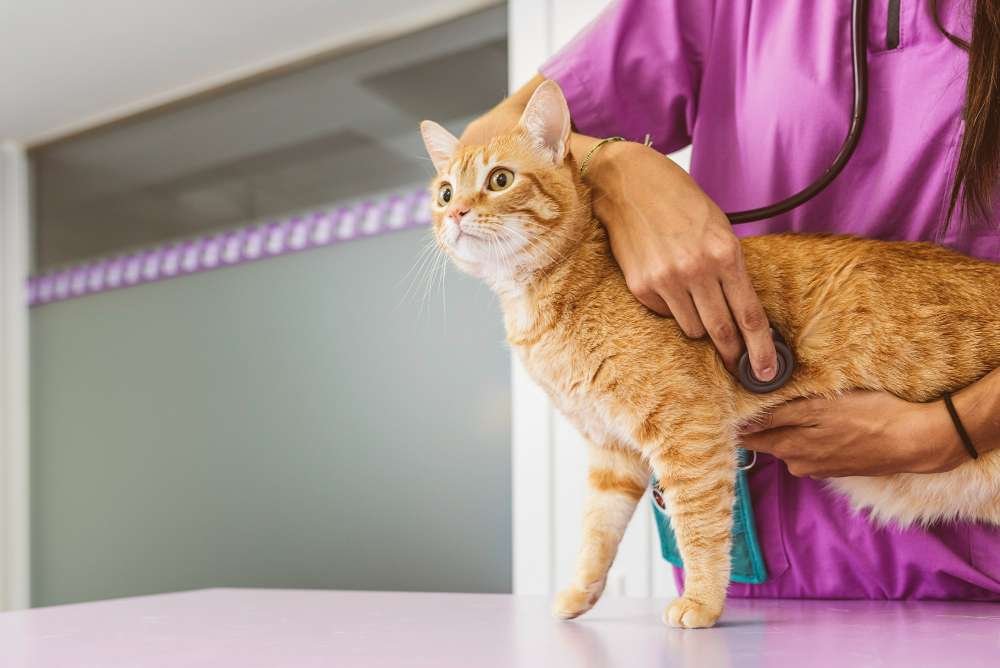
What are Symptoms of Cat Urinary Tract Infections?
UTI in cats is most likely to manifest itself in the following forms:
- Blood in urine
- Frequent urination with little urine
- Difficulty or crying during urination
- Urinating out of the litter box
- Strong-smelling urine
There are instances where cats can also exhibit pain, loss of appetite, or lethargy.

How Do Cats Get a UTI?
UTIs may arise due to the introduction of bacterial infections into the bladder, but other factors also predispose cats to this condition. Some of the contributing factors may be bladder stones, stress, obesity, and dehydration. Infectious diseases also predispose cats to chronic conditions, such as diabetes.
How to Tell if Your Cat Has a UTI
Changes in litter box behavior, vocalization during urination, and blood in the urine are some of the sudden changes in pet behavior that owners should monitor. These are indicative signs that should be checked by a veterinarian.
Can a Cat Have a UTI without Symptoms?
Yes. There are silent infections in which some cats have bacteria that are present, but their symptoms are very mild. These cases can be detected by regular checkups before they lead to complications.
Do Cat UTIs Go Away on their Own?
No. UTIs nearly always have to be treated with antibiotics or other veterinary care. Infections usually progress and can spread without the right intervention.
Can You Treat a Cat UTI at Home?
Home treatments like cranberry juice are ineffective and unsafe for cats. UTI medication for cats is only prescribed by a veterinarian and acts on the infection. Efforts to manage this at home may postpone the ideal care.
How to Help a Cat with a UTI
- Provision of clean, accessible litter boxes
- Promoting the consumption of water using a fountain or several bowls
- Reducing stress in the home
- Adhering to the intervention plan
How Do Vets Diagnose UTI in Cats?
To diagnose a UTI, veterinarians rely on urinalysis, urine cultures, and occasionally, blood work or imaging. Such tests are also used to exclude other related conditions, such as bladder stones or a feline lower urinary tract disease (FLUTD).
How Do Vets Treat Cat UTI?
- Cat UTI antibiotics to clear the infection
- Cat urinary diets that contain crystals or stones
- Medications used in pain management
- Follow-up test to ascertain the absence of the infection
How to Prevent Cat UTIs
Cat UTI prevention steps include:
- Keep litter boxes clean always
- Fresh water available daily
- A diet calculated to be healthy for the urinary tract
- Lessening domestic stressors
- Frequent visits to the veterinarian to check on the animal
Both prevention and treatment are of special significance in cats with a history of UTI because it reoccurs frequently.
Professional Vet Treatment in Pinecrest for Cat UTIs
When your pet exhibits cat UTI symptoms, you need to intervene quickly. Pinecrest Emergency Vet who to contact when your cat has UTI symptoms that require prompt diagnosis and emergency treatment from a vet in Pinecrest. Through professional treatment, the majority of cats heal completely and do not suffer severe complications. Prevention practices are more effective than curative ones and will safeguard your cat in addition to keeping her healthy and comfortable. Call 786-981-4084 for the vet help you need for your cat in Pinecrest today.