
Signs of Dehydration in Cats
Quick Summary
- Dehydration in cats can develop quickly and become serious. Knowing the early signs of cat dehydration can help you act before it becomes an emergency.
- Common cat dehydration symptoms include dry or tacky gums, loss of skin elasticity, sunken eyes, lethargy, and reduced urination.
- If your cat shows signs of dehydration, Pinecrest Emergency Vet — a proud subsidiary of My Pet Hospital — offers urgent care for cats in the North Miami area during convenient evening and weekend hours.
Why Dehydration is a Serious Concern for Cats
Cats are notoriously poor drinkers. Unlike dogs, they evolved to get much of their moisture from prey, which means they often don’t drink enough water on their own — especially when eating dry kibble. This makes them particularly vulnerable to dehydration, which can develop quickly and lead to serious complications including kidney problems, urinary blockages, and organ failure if left untreated.
Understanding how to tell if a cat is dehydrated is one of the most important things you can do as a pet owner. Catching the problem early gives your cat the best chance at a smooth recovery.

The Skin Tent Test
One of the fastest ways to check for dehydration is the skin elasticity test. Gently pinch the skin at the back of your cat’s neck or between the shoulder blades, then release. In a well-hydrated cat, the skin snaps back almost instantly. If the skin stays tented or returns slowly, that’s a classic sign your cat may be dehydrated.
Dry or Sticky Gums
Run a clean finger along your cat’s gums. They should feel moist and slippery. Dry, tacky, or pale gums are among the most reliable cat dehydration symptoms and a clear signal that something is wrong.
Sunken or Dull Eyes
A hydrated cat’s eyes are bright and clear. Sunken-looking or glassy eyes can indicate moderate to severe dehydration. If you notice this alongside other symptoms, don’t wait to seek care.
Lethargy and Weakness
A dehydrated cat often becomes less active, less interested in food, and generally sluggish. If your normally playful or social cat suddenly seems withdrawn, tired, or unresponsive, dehydration may be a contributing factor.
Decreased Urination
Keep an eye on the litter box. Reduced urine output — or urine that appears darker than usual — can point to dehydration. In male cats especially, this can quickly escalate to a urinary blockage, which is a true emergency.
Loss of Appetite
Cats don’t always show obvious signs of being unwell. Refusing food or showing little interest in water can be subtle but important signs of cat dehydration, particularly in cats with underlying illness or in very hot weather.
Panting or Rapid Breathing
While cats occasionally pant after vigorous play, panting at rest is not normal and can indicate heat stress or severe dehydration. This warrants immediate veterinary attention.
What Causes Dehydration in Cats?
Several factors can contribute to dehydration, including:
- Vomiting or diarrhea — frequent or prolonged episodes of vomiting cause rapid fluid loss
- Kidney disease — affects the body’s ability to retain water
- Diabetes — causes increased urination, which depletes fluids
- Fever or infection — elevated body temperature increases fluid needs
- Hot weather — cats kept in warm environments without adequate water access are at risk
- Dry food-only diet — without supplemental moisture from wet food or frequent water intake, dehydration can develop gradually
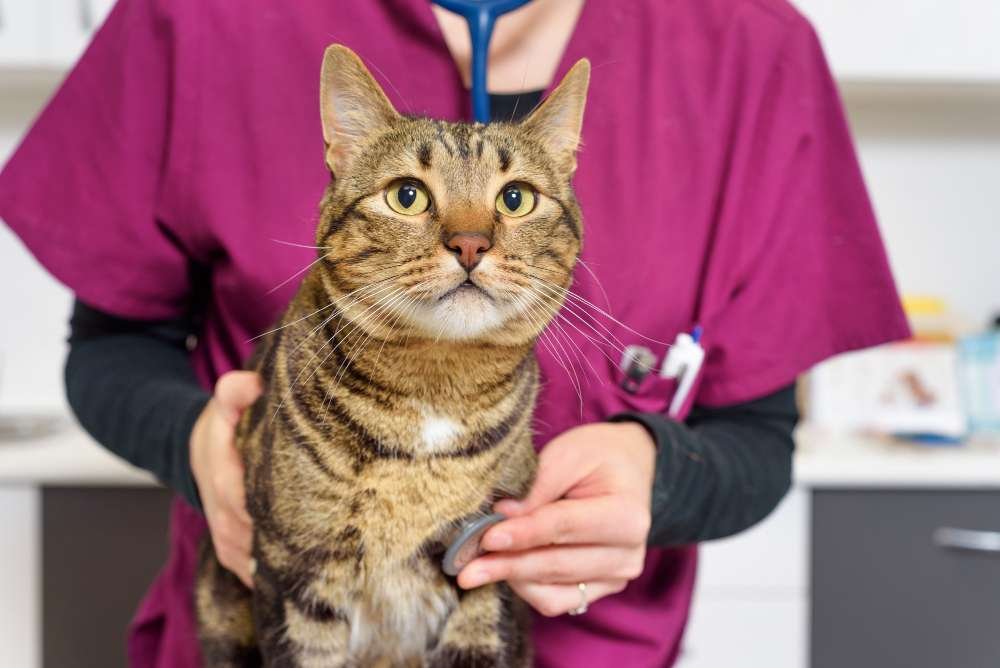
Dehydrated Cats Treatment: What to Expect
Mild dehydration may be addressed by encouraging your cat to drink fresh water, offering wet food, or providing a pet water fountain to stimulate interest. However, moderate to severe dehydration requires veterinary care.
At a cat vet clinic, treatment for dehydration typically includes:
- Subcutaneous or IV fluids — the most effective way to rehydrate a cat quickly and safely
- Electrolyte supplementation — to restore balance lost through illness or fluid loss
- Bloodwork — to identify any underlying conditions contributing to the dehydration
- Supportive care — including anti-nausea medication or treatment for the underlying cause
Do not attempt to rehydrate a severely dehydrated cat at home. Oral fluids cannot replace what an IV or subcutaneous drip can deliver, and delays can worsen the outcome.
When to Seek Urgent Care for Cats
If your cat is showing more than one of the symptoms above — particularly sunken eyes, pale or dry gums, extreme lethargy, or an inability to urinate — seek veterinary attention right away. These are signs that dehydration has progressed beyond a minor issue and that your cat needs professional evaluation and treatment.
You don’t always have the luxury of waiting for a regular appointment, and that’s exactly why having access to a reliable emergency cat vet matters.
Pinecrest Emergency Vet is Here When You Need Us
At Pinecrest Emergency Vet, a subsidiary of mypethospital.net, we understand that pet health concerns don’t always fit neatly into a 9-to-5 schedule. That’s why we offer extended evening and weekend hours so that North Miami pet owners have access to expert care when it’s most convenient — and most needed.
Whether you’ve just noticed the early signs of dehydration or your cat is clearly unwell, our team is equipped to provide prompt, compassionate treatment. As the best vet in North Miami for urgent and after-hours care, we’re proud to serve cats and their families throughout the greater North Miami area.
Pinecrest Emergency Vet Hours:
- Monday, Tuesday, Thursday, Friday: 4:00 PM – 11:00 PM
- Saturday & Sunday: 10:00 AM – 11:00 PM
- Wednesday: Closed
As a trusted North Miami vet clinic, we offer the kind of attentive, professional care your cat deserves — without the long waits and high costs often associated with traditional emergency animal hospitals. If you’re looking for urgent care for cats that fits into your evening or weekend, we’re here.
How to Prevent Dehydration in Cats
A few simple habits can significantly reduce your cat’s dehydration risk:
- Offer fresh water daily in a clean bowl — many cats prefer running water, so a pet fountain can help
- Incorporate wet food into their diet to boost daily moisture intake
- Monitor litter box output regularly so you notice changes early
- Schedule routine wellness visits to catch underlying health issues before they escalate
- Keep cats cool and comfortable during hot weather
Prevention is always the best medicine — but when symptoms do arise, knowing where to turn for fast, reliable care makes all the difference.
Miami Emergency Vet for Cats
Pinecrest Emergency Vet is a subsidiary of mypethospital.net and proudly serves as a trusted cat vet clinic for pet owners throughout North Miami and surrounding communities. If you’re concerned about your cat’s health, don’t wait — visit us during our convenient evening and weekend hours. Call 786-981-4084 with questions or to schedule an appointment. You may also contact us online.