
Early Cat Diabetes Symptoms and Treatments
Diabetes is a metabolic disorder in cats that requires lifelong management. Early diagnosis enhances a better response to treatment and the avoidance of complications. The behavior of the diabetic cat would encourage the owner to visit a veterinarian within the required time.
Pinecrest Emergency Vet is an urgent care clinic and part of My Pet Hospital, which supports cat owners in the diagnosis and treatment of diabetes during working hours. These emergency vet services in Miami include diagnosis and treatment planning.
What are the First Signs of Diabetes in Cats?
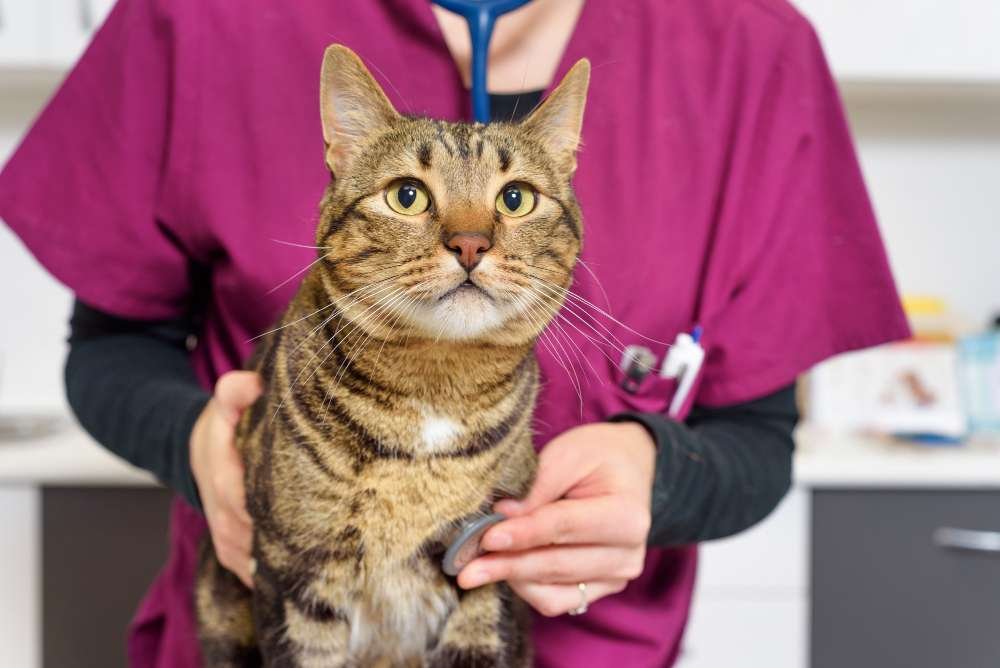
The first symptoms of cat diabetes are thirstiness and frequent urination. The cat might also lose strength in his hind legs and become uncoordinated when jumping. Others have poor or shabby fur and a peculiar odor of breath. Cats with diabetes can also have frequent infections that are characterized by a lack of activity or drowsiness. Although a cat’s eating habits may appear normal, diabetes can still cause weight loss. For example, conditions such as diabetes or hyperthyroidism may lead a cat to maintain a typical appetite yet still lose weight, as these disorders affect how the body processes food and nutrients. Lethargy is normally progressive.

What are the Symptoms of a Diabetic Cat?
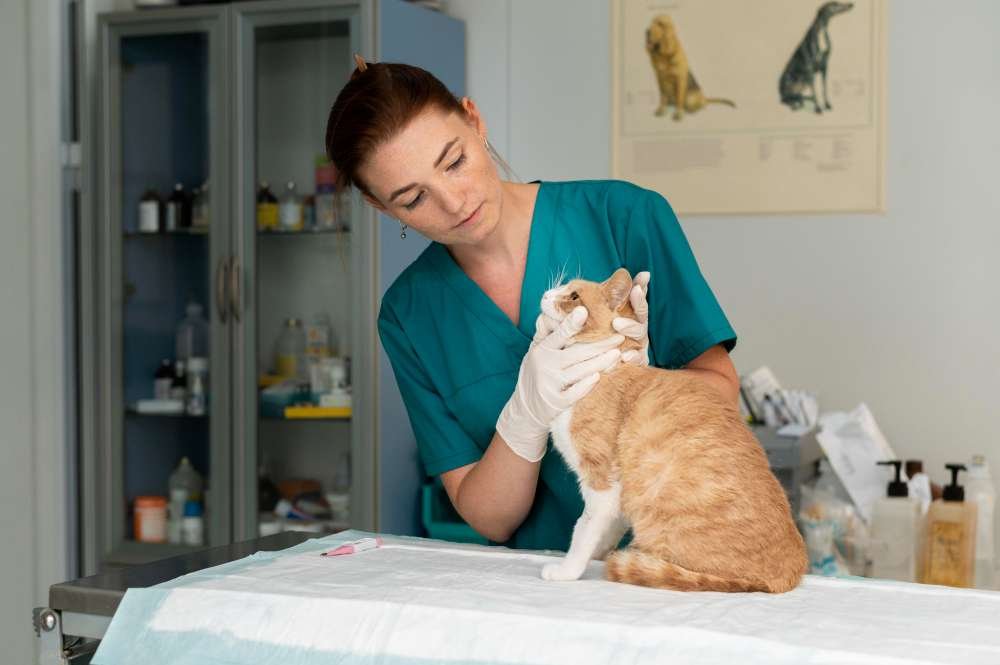
The clinical signs of a diabetic cat are vomiting, weakness and alterations in appetite. Certain cats exhibit inadequacy of the coat or the hind legs. The cat is not eating; this could be a sign of deteriorating illness in diabetes.
How Do Cats Get Diabetes?
Cats develop diabetes due to insulin resistance or inadequate insulin production. Risk factors are obesity and inactivity.
There are also genetic and age-related factors:
- Some cats are predisposed to insulin resistance or to insulin production. Some cats are genetically predisposed to gain weight more easily, thus causing a risk of diabetes.
- The cat pancreas’s responsiveness to glucose over time can also be influenced by genetics.
- Cats that possess family backgrounds that have a history of diabetes might be more prone to developing diabetes.
These genetic factors do not predetermine diabetes; they predispose individuals to it. Genetics interacts with lifestyle, including diet and activity level. Middle-aged and elderly cats have a higher rate of diabetes. As cats age, they may develop insulin resistance. Other factors that influence blood sugar regulation include reduced muscle mass and slackened metabolism.
Are Cats with Diabetes in Pain?
Pain is not necessarily brought on by diabetes. Discomfort may be caused by complications like nerve damage. Early intervention relieves the long-term complications.
How Do Vets Test Cats for Diabetes?
To confirm the diagnosis, veterinarians perform a blood glucose test and a urine analysis. Additional tests are used to rule out other conditions. Pinecrest Emergency Vet applies diagnostic devices to detect diabetes in cats.
What Do Vets Do for Diabetic Cats?
The treatment options include insulin therapy, diet modification, and monitoring. Individual treatment plans are developed by veterinarians. Follow-ups will help control blood sugar levels.
How Long Can a Cat Live with Diabetes?
With proper treatment and monitoring, cats with diabetes can live for many years. Lifespan will be determined by early diagnosis, regular insulin use, and dietary control. Veterinary management is important for long-term stability. Properly cared-for diabetic cats can have a good quality of life. Checkups are conducted regularly, and treatment plans can be adjusted. Early intervention improves long-term outcomes.
How Do You Treat a Diabetic Cat?
Management of cat diabetes centers on insulin therapy, dietary management, and regular monitoring. The type and dosage of insulin are determined by veterinarians based on the diagnosis. The treatment plans are designed to fit the cat’s situation. Continuous treatment involves blood sugar monitoring and check-ups. Modifications are used to avoid complications. Professional counseling helps to keep treatment effective.
What to Feed a Cat with Diabetes?
The typical diabetic cat diet is moderate in carbohydrate content and balanced. Veterinary advice helps owners select appropriate food for the cat. Insulin is regulated by diet consistency.
Miami Emergency Vet for Cat Diabetes Symptoms and Treatment
Diabetes treatment must be consistent and professionally supervised. Pinecrest Emergency Vet is an urgent vet care facility that provides services for cats with diabetes, including diagnosis, treatment, and monitoring them during business hours. Learn more by calling 786-981-4084 to schedule professional care for diabetes. You may also contact us online or walk-in for urgent vet care at 8279 SW 124th St in Miami during regular business hours.